Data Center Cooling: The Best Methods for Different Needs
According to Lifeline Data Centers, the low density is 8-10kW per rack, the average is 15-16kW per rack and, on the high end, some racks are going beyond 20kW. As more devices and applications are
Best Practices for Data Center Area Sizing Per Rack Based on Power
As rack power densities continue to rise—especially with the proliferation of AI and machine learning—it''s crucial to adopt a data-driven, scalable approach to data center design.
Server Rack Heat Dissipation in Next Generation In-Row Architectures
In-Row architectures are versatile and modular, allowing for cooling to be approached on a row or rack scale, with the capability to easily adapt this cooling solution throughout the life of the data centre in
What Are the Best Server Rack Cooling Solutions for High-Density
High-density server rack cooling solutions include liquid cooling, rear-door heat exchangers, containment systems, in-row cooling, and immersion cooling. These systems optimize
Rack-level cooling technologies for data centers – A comprehensive
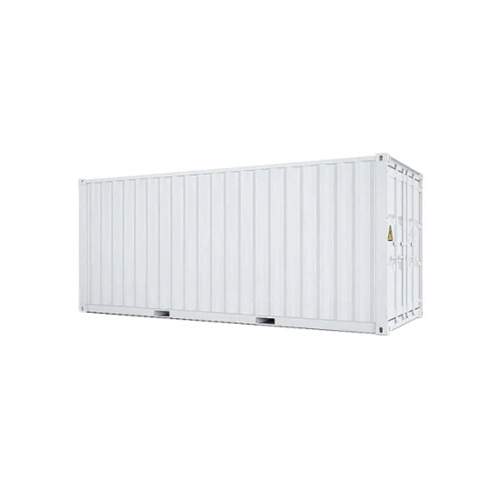
Different from conventional room-level cooling systems, the rack-level cooling system should have the ability to provide a different cooling quantity supply for each rack according to
Server Rack Spacing: Best Practices | Sysracks
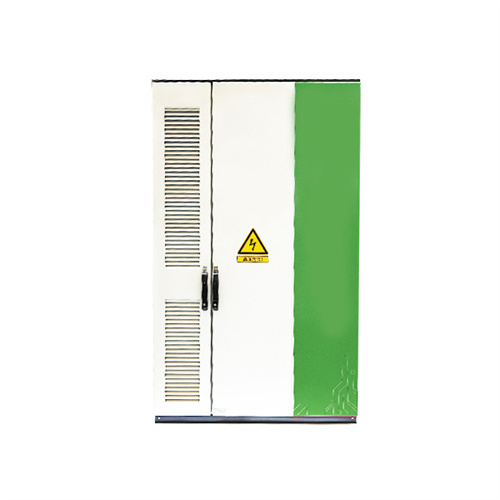
Taking into account these factors, it was determined that a minimum distance between two cabinets must achieve 31.5 inches. This will be enough to ensure smooth system functioning
Data Center Server Rack Size: A Beginner''s Guide
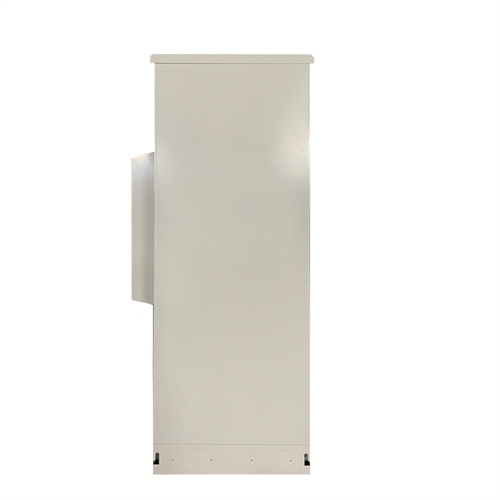
The right server rack size is essential for the efficient operation and management of a data center. However, the optimal size of the Rack is tough to choose. This guide will give you an
Rack Cooling Systems | Vertiv Thermal Management
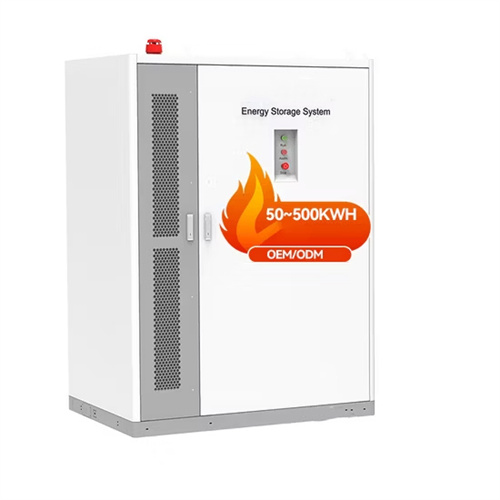
Discover our rack cooling solutions, that will ensure the IT assets in your server racks only need to face the increased demand in data, not increased temperature. And let''s make sure that the thermal
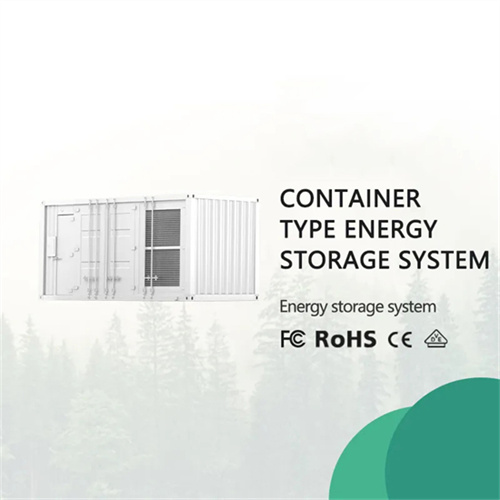
Data Center Rack Cooling Guide to Efficiency and
For data center managers, IT engineers, and facility operators, this is the ultimate guide to overcoming thermal challenges and maximizing the performance, lifespan, and sustainability of
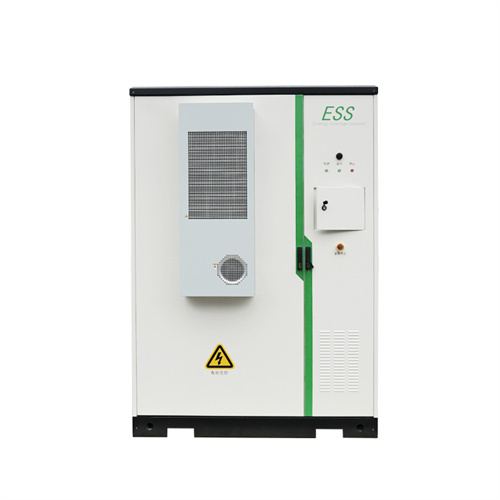
Best Practices for Data Center Area Sizing Per Rack Based on Power
Whether you''re building a new facility or upgrading an existing one, use this guide to align your rack area planning with real-world power and cooling demands.
Pipe Rack Piping Study
If required, cooling water supply and return and service water can also be arranged on the pipe rack. (b) Utility lines serving individually one or two equipment items or a group of similar equipment
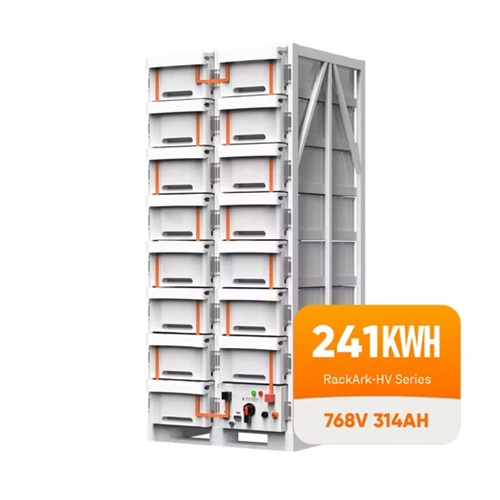
Data Center Server Rack: The Ultimate Guide [2025]
Rack height is typically measured in rack units (RU), with one RU equating to 1.75 inches. The most common height for server racks in data centers is 42U, which translates to a height of 73.5
Cooling and Airflow Optimization — NVIDIA DGX SuperPOD: Data
At a minimum, the aisles should be at least 36 inches wide, and it is strongly recommended that the cold aisle be a minimum of 48 inches wide, to allow for the safe navigation
General guidelines for data centers
IT equipment occupies roughly 30-35% of the total data center space. The remaining space is white space (for example, access aisles, service clearances), power distribution units (PDUs), and CRAC
Warehousing Insights | Material Handling Systems Pallet Rack Safety
Pallet racks are safe, stable storage, but do require certain clearances between racks structures, loads and building elements for faster, safer operation.
4 FAQs about [Whats the distance between self-cooling upper data rack]
Should data centers use rack-level cooling?
Existing cooling systems in data centers mostly adopt room air conditioners, which can easily cause local hot spot issues with low energy efficiency. By contrast, the rack-level cooling technology, which adopts on-demand direct cooling, is regarded as a promising solution.
How should a data center be cooled?
Provide ample cooling for maximum heat load requirements across the entire data center. Provide an average amount of cooling across the data center with the capability to increase cooling in limited, local areas. Option 1 is very expensive and more conducive to new construction.
How can a high-end data center be cooled?
Essentially, two different approaches can be undertaken for a large-scale, high-end system or storage deployment: Provide ample cooling for maximum heat load requirements across the entire data center. Provide an average amount of cooling across the data center with the capability to increase cooling in limited, local areas.
What height should a data center rack be?
Common heights for floor-standing racks and rack enclosures are 42U, 45U and 48U, with custom sizes up to 58U available for some high-density data center applications. You may also wish to leave extra space for horizontal cable managers, future expansion or other purposes, so keep that in mind when determining the height.