
Wi-Fi signal attenuation coefficients when passing through different
The presence of solid walls (concrete + reinforcement), sheet metal, plaster on the walls, steel frames, etc., affect the quality of the radio signal and can significantly degrade the performance of Wi-Fi devices.

Can WiFi Penetrate a Metal Wall? – Lion Buildings
Metal acts as both a reflector and an absorber of electromagnetic waves, which is the primary reason for signal loss in environments with metal barriers. The conductivity of metals, such as steel, aluminum,

Does a Metal Roof Affect WiFi Signal and How to Fix It
Metal roofs are common across the U.S., and homeowners often ask whether metal roofing affects WiFi performance. This article explains the physics behind radio waves and metal
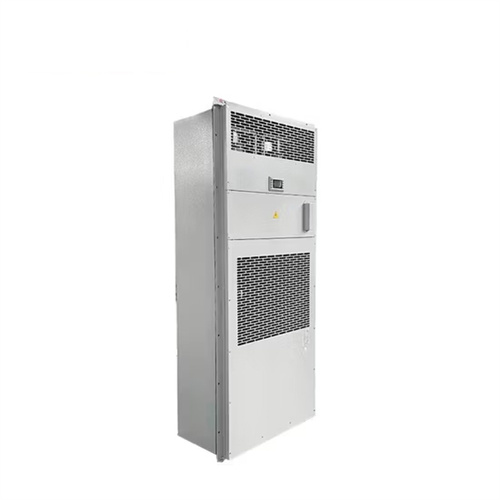
How Metal Structures Cause Interference in Garden Wi-Fi Networks
This article explores how metal structures cause interference in garden Wi-Fi networks, the physics behind signal disruption, common scenarios where metal interferes with wireless signals,

Can WiFi Signals Penetrate Metal Buildings?
Metal studs can affect WiFi signal penetration, depending on their density and the type of metal used. Metal studs can absorb or block WiFi signals, reducing the signal strength and range.
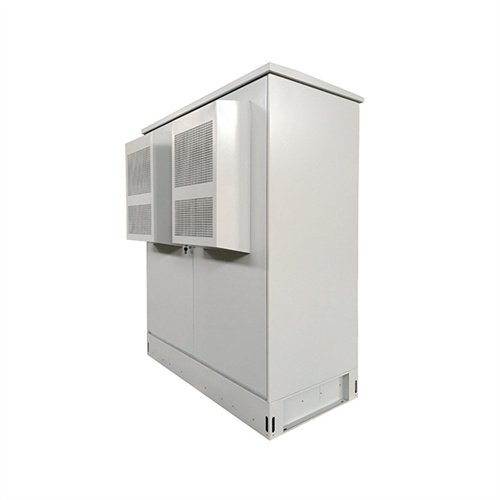
Does a Metal Roof Affect WiFi Signal and How to Fix It
Absorption by a metal roof itself is usually minimal compared to reflection, but metal roofing systems often include layers (insulation, underlayment) and metal fasteners that change

What materials can block the WiFi signal?
Objects made of metal such as aluminum foil, metal mesh screens, and metal doors can significantly reduce the strength of a WiFi signal. To minimize the impact of metal on your WiFi

WIFI signal affected by HVAC metal ducts or electrical cables?
The question is, do HVAC, electrical cables and possibly concrete block adversly affect wifi signals? currently i get about 2-5 /5 bars for 2.4ghz at the furthest extents of the house. for
What materials will block a Wifi Signal?
Metals are among the most effective Wi-Fi signal blockers due to their high electrical conductivity. When a Wi-Fi signal encounters a metal surface, the oscillating electric field induces the

What materials can block a Wi-Fi signal?
Metal surfaces, such as aluminum foil, stainless steel, and metal roofing, can significantly reduce or completely block Wi-Fi signals. This is because metal reflects and absorbs radio waves, hindering

What materials can block a Wi-Fi signal?
Glass is another material that can impact Wi-Fi signals, although to a lesser extent compared to metal, concrete, brick, or stone. While glass does not block Wi-Fi signals as effectively as other materials, it

Can WiFi Signals Penetrate Metal Buildings?
Thicker metal roofs can block WiFi signals more effectively than thinner roofs, and certain types of metal, such as aluminum or copper, can block signals more effectively than steel or iron. In
4 FAQs about [Will a metal telecom kiosk affect wifi]
Why is metal bad for WiFi?
The nature of metal makes it far more difficult for WiFi signals to penetrate, often resulting in significant attenuation or complete blockage of the signal. Metal acts as both a reflector and an absorber of electromagnetic waves, which is the primary reason for signal loss in environments with metal barriers.
Do all metals block WiFi signals equally?
Not all metals block WiFi signals equally. Materials like steel and aluminum are highly conductive and reflect more signals, while less conductive metals like lead or alloys may have a slightly lesser effect. The density and purity of the metal also play a role in determining how much signal loss occurs. 2. Thickness of the Wall
What happens if a WiFi signal hits a metal surface?
Signal reflection: When a WiFi signal hits a metal surface, it can be reflected in different directions, causing signal loss and interference. Signal absorption: Metal can absorb WiFi signals, converting them into heat energy, which reduces the signal strength further.
Can WiFi signals penetrate metal walls?
WiFi signals can penetrate metal walls, but the extent of penetration depends on the thickness and type of metal used. Thicker metal walls can block WiFi signals more effectively than thinner walls, and certain types of metal, such as aluminum or copper, can block signals more effectively than steel or iron.