Ventilation and Thermal Management of Stationary Battery Installations
Some ten years later, in October 2012, the IEEE and ASHRAE completed a first of a kind joint project to address battery room thermal management and ventilation design. The purpose of this paper is to
Rule 26-506 Ventilation requirements for vented lead acid batteries
The vented cell batteries emit approximately 60 times more hydrogen than comparably rated VRLA batteries. The battery rooms must be adequately ventilated to keep the concentration of hydrogen
Ventilation and Breathing of Battery Rooms
The ventilation of enclosures and rooms in which batteries are operated is considered to be adequate when at least the air volume flow determined by the following equation is guaranteed.
Battery Room Ventilation and Exhaust Systems
Ensure the safety of your battery charging rooms with Eagle Eye Power Distributions'' advanced ventilation systems. Our lineup includes powerful models tailored for spaces where hazardous gases
Battery Room Ventilation Code Requirements
The BHS Battery Room Ventilation System contains each of these components, along with fully integrated elements that automatically activate Hydrogen Exhaust Fans when the concentration of
Battery Technology for Data Centers and Network Rooms: Ventilation
Air changes designed for human occupancy normally exceed the requirements for VRLA and MBC ventilation. Vented (flooded) batteries, which release hydrogen gas continuously, require a dedicated
IEEE/ASHRAE Guide for the Ventilation and Thermal Management of
Approved 7 May 2018 e between the electrical designer and the heating, ventilation, and air-conditioning (HVAC) designer. Ventilation of stationary battery installations is critical to improving battery life while
Case study of ventilation solutions and strategies for Li-ion battery rooms
The requirement for ventilation of battery rooms in normal operation is due to gases being released from the battery cells during charging and discharging [6,11,12]. Lithium-ion battery (LIB) fires differ from
Design of integrated safety vent in prismatic lithium-ion battery
Safety vent is crucial to protect its users from unpredictable explosions caused by the increasing internal pressure of lithium-ion batteries. In order to prevent the explosion of the battery, a
Designing Industrial Battery Rooms: Fundamentals and Standards
Designing Industrial Battery Rooms: Fundamentals and Standards Industrial battery rooms require careful design to ensure safety, compliance, and operational efficiency. This article covers key
Battery Room Ventilation and Exhaust Systems
Optimize air quality and ensure safety with Eagle Eye Power Solutions'' Ventilation Systems. Designed for battery rooms, data centers, and industrial facilities, our systems remove hazardous gases and
Battery Room Ventilation and Safety
A 60-cell lead-acid battery, located in a room having a volume of 2000 cubic feet, is being charged at 50 amperes. The ventilation system is designed to provide three air-changes each hour.
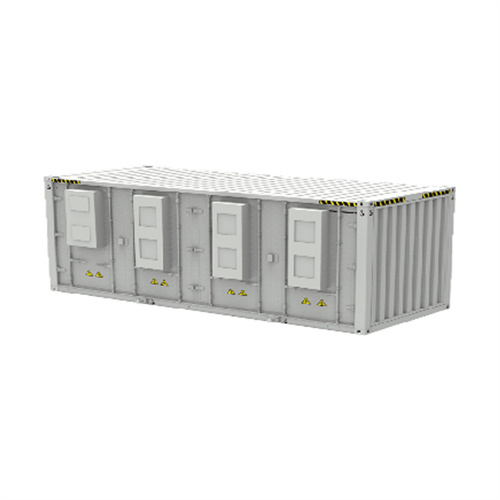
Battery Room Ventilation System (BRVS)
The Battery Room Ventilation System (BRVS) incorporates the Ventilation Stands, Hydrogen Gas Detector (HGD), Hydrogen Exhaust Fan (HEF), and exhaust duct work into one complete system.
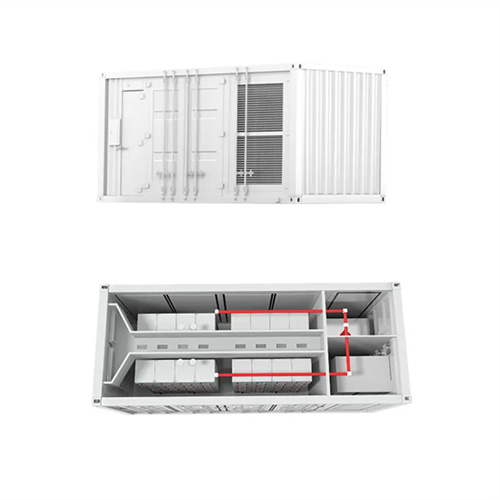
Gas Venting Techniques in EV Battery During Thermal Runaway
The engineering challenge lies in designing venting systems that can rapidly channel and cool these high-temperature gases while preventing flame propagation between cells—all within the
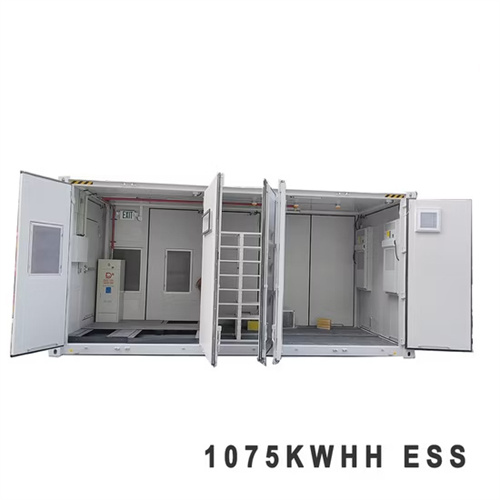
Considerations For Battery Room Design, Battery Stands and
This article looks at the preferred designs for battery rooms and discusses how batteries should be laid out to give a safe environment. Alternative battery stand types are discussed to illustrate accessibility
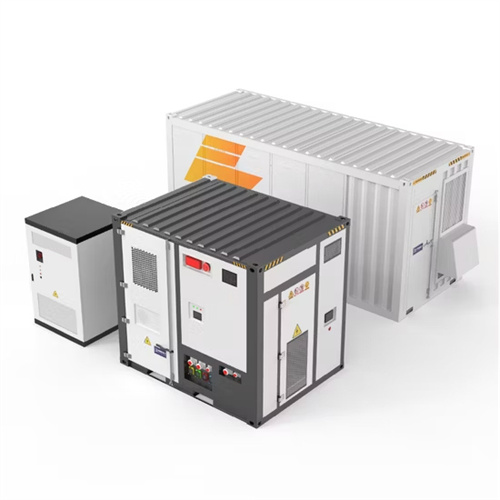
PL-3900 Battery Room Ventilation System | PDF | Ventilation
Proper ventilation in the battery room. is necessary to ensure potentially dangerous gases are diffused. The BHS Battery Room Ventilation System. (BRVS) is designed to detect hydrogen gas at low levels
4 FAQs about [Integrated 60 gallon steel housing forced ventilation battery]
How does the BHS battery room ventilation system work?
The BHS Battery Room Ventilation System contains each of these components, along with fully integrated elements that automatically activate Hydrogen Exhaust Fans when the concentration of the dangerous gas reaches 1 percent or more. (Leaving fans on at all times would quickly become cost-prohibitive, as the constant venting climate- Figure 2.
What is a 60-cell lead-acid battery?
A 60-cell lead-acid battery, located in a room having a volume of 2000 cubic feet, is being charged at 50 amperes. The ventilation system is designed to provide three air-changes each hour. Determine the rate of hydrogen production and the adequacy of the air exchanges required for ventilation.
What are the requirements for a lead-acid battery ventilation system?
The ventilation system must prevent the accumulation of hydrogen pockets greater than 1% concentration. Flooded lead-acid batteries must be provided with a dedicated ventilation system that exhausts outdoors and prevents circulation of air in other parts of the building.
What is the role of ventilation in a stationary battery installation?
e between the electrical designer and the heating, ventilation, and air-conditioning (HVAC) designer. Ventilation of stationary battery installations is critical to improving battery life while reducing the hazards associated with h drogen production. This guide describes battery operating modes and the hazards associated with each