ধান লাগানো হচ্ছে আজকে #viral #everyonehighlights #foryouシ
ধান লাগানো হচ্ছে আজকে 😌 😌😍🌹 #viral #everyonehighlights #foryouシpageeelsfypシ゚viral,, ufc 319 taylor swift travis hunter divorce premier league trump putin meeting erin irs stimulus checks taylor swift
Electric Power Generation, Transmission and Distribution: Electrical
This fact sheet discusses electrical protective equipment requirements for work covered by OSHA''s revised Electric Power Generation, Transmission and Distribution standards.
Video
#ভালো _ কিছু_করুন_পথ_ক্লিয়ার_থাকবে_ #Eitysikder #nonfollowersviewers Lets watch the video #cheese #vegan #goodnight #nurvaifamilychallenge #hilights #everyonehighlights...
OSHA: Underground Construction (Tunneling)
OSHA regulations relating to underground construction were originally adopted in 1971 and revised over the years to add new protective measures and enhance worker safety. This
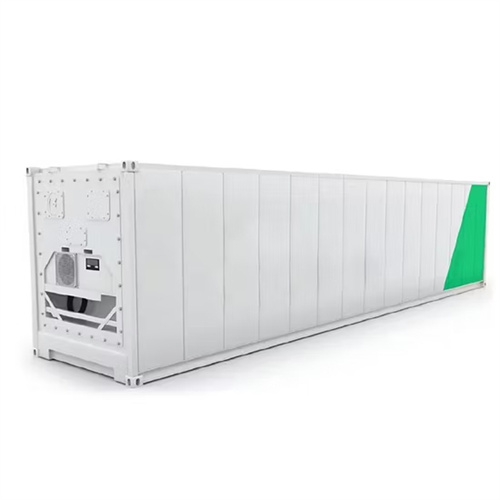
Electric power generation, transmission, and distribution.
Entire § 1910.269, except paragraph (r) (1) of this section, applies to line-clearance tree trimming covered by the introductory text to paragraph (a) (1) (i) (E) of the section when performed by qualified
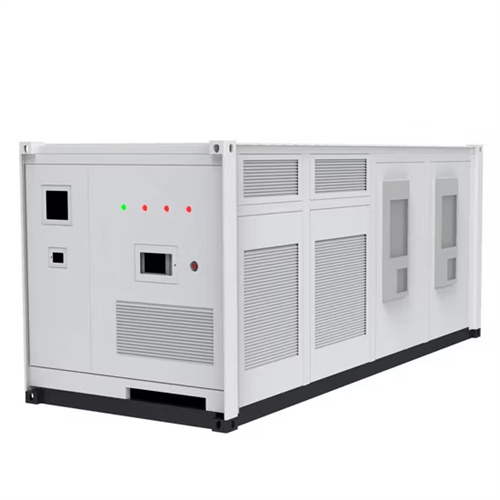
A Guide to OSHA''s Workplace Electrical Safety Standards
In an effort to promote electrical safety and reduce the number of accidents and fatalities, the Occupational Safety and Health Administration (OSHA) has published a comprehensive guide on
Blue Prince/Underground — StrategyWiki | Strategy guide and game
Take the elevator down from the Foundation. Requires the Basement Key. Use the Power Hammer to break a wall near the 4 flames and break another wall into the Basement. Drain
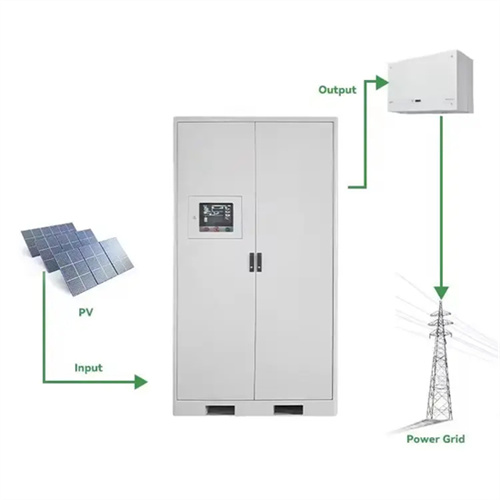
Electric Power Generation, Transmission, and Distribution Industry
This page is a part of OSHA''s commitment to provide employers and workers in the electric power generation, transmission, and distribution industry with information and assistance to help them
OSHA 30 Construction
It covers topics such as electrical safety, fall protection, hazard communication, excavations, and cranes. The purpose of the quiz is to test the learner''s understanding of key OSHA construction safety
Tunnel Operations, Maintenance, Inspection, and Evaluation Manual:
This chapter also reviews the fundamentals of highway tunnels including tunnel construction methods and shapes, liner types and finishes, slabs and wearing surfaces, and tunnel systems such as
E – 1367 Underground Construction and Tunneling Safety
This course introduces to the basic safety guidelines of underground construction of tunnels, shafts, chambers and passageways. This course is based on the publication, Underground Construction
Control of Hazardous Energy (Lockout/Tagout)
The OSHA standard for The Control of Hazardous Energy (Lockout/Tagout) (29 CFR 1910.147) for general industry, outlines specific action and procedures for addressing and controlling hazardous
4 FAQs about [Electricity unit key OSHA prince tunnel]
What are the safety guidelines for tunnel projects?
Federal Agencies, including the Occupational Safety and Health Administration (OSHA), have outlined strict safety guidelines for tunnel projects. These measures include reinforced tunnel linings, ventilation systems and continuous air quality monitoring.
What is OSHA's emergency protocol for tunnel construction?
Under OSHA’s 29 CFR 1926.800, tunnel construction sites must implement emergency protocols, including designated escape routes, real-time hazard monitoring, and readily available self-rescuers for workers. Urban expansion and transportation demands are driving innovation in tunneling.
How has OSHA improved Tunnel safety?
Today, the tunnel has been modernized with OSHA safety guidelines, incorporating advanced ventilation systems, fire-resistant materials, and hazard labels to warn workers and travelers of potential dangers. These improvements demonstrate the ongoing commitment to safety signage and risk prevention in tunnel infrastructure projects.
What are the requirements for electrical safety in tunnel & shaft construction?
Electrical systems and electrical safety in tunnel and shaft construction projects must meet the requirements of 29 CFR 1926 Subpart K, Electrical, and 29 CFR 1926.800. q. Cranes and Hoists