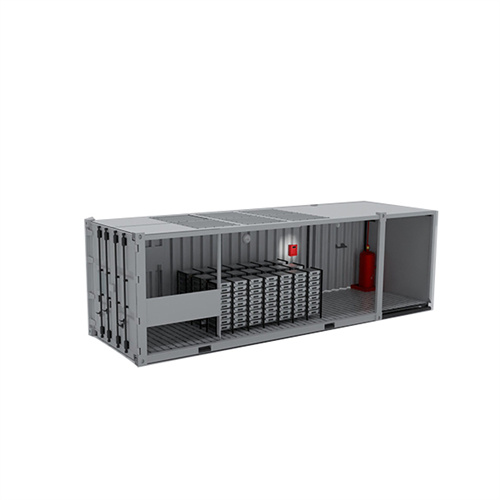
Standard Vortex Coolers | Enclosure Coolers
Enclosure Air Coolers keep Electrical and Electronic Enclosures cool, clean, and protected and are a low-cost alternative to expensive, high-maintenance air conditioners; and avoid contamination with
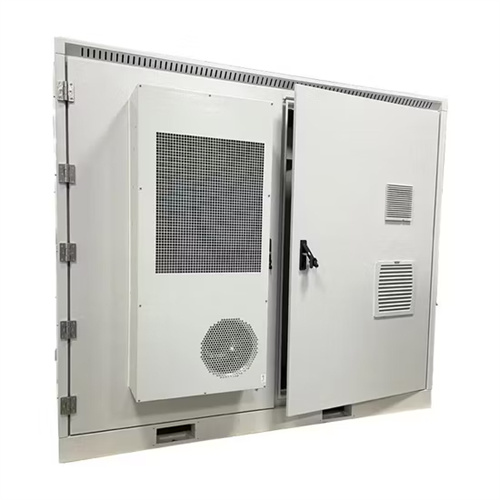
How to Select and Size Enclosure Thermal Management Systems
The paper will examine the wide assortment of heaters, air conditioners, heat exchangers, vortex coolers, venting devices and control units designed to provide eficient and cost-efective climate
How to choose the right cooling solution for outdoor enclosures
Choosing the right cooling solution for outdoor enclosures ensures long-term reliability, energy efficiency, and protection of critical telecom and industrial equipment — here''s how to make
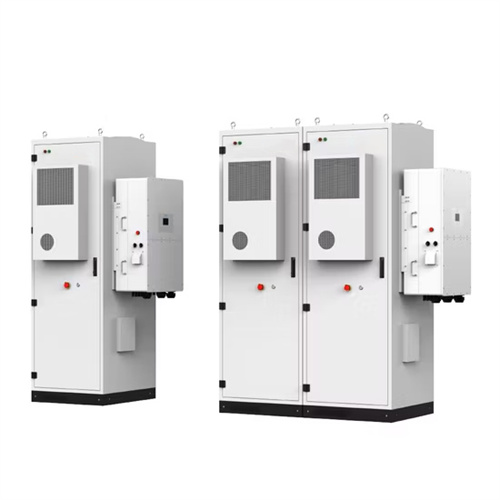
A Complete Guide to Enclosure Thermal Design
Learn how to improve enclosure design in this guide covering 14 considerations on thermal management best practices, from cooling options and selection through to design considerations.
A Complete Guide To Enclosure Thermal Design 14 Key Considerations
Enclosure design is an important aspect of system level thermal management to ensure electronics performance and reliability. Learn how to improve enclosure design in this guide covering
NYT > Top Stories
Four Takeaways From the New York Times Profile of Marjorie Taylor Greene Hours before Mayor-elect Zohran Mamdani holds an inauguration block party outside City Hall, he will officially become mayor
Cooling Electrical and Server Enclosures: Active vs Passive Methods
Discover how to manage heat in electrical and server enclosures using active and passive cooling. Eabel''s guide covers in-rack cooling, heat load calculation, and how to select the
4 FAQs about [How to choose self-cooling enclosure]
What are the different types of cooling methods for enclosures?
The most common cooling methods for enclosures (in ascending order of cost) are natural cooling (convection), fan-and-filter units, air/air heat exchangers, air/water heat exchangers, and cooling units.
Do control enclosures need cooling?
Factories, plants and facilities often experience relatively warm ambient temperatures, and many of the electrical components housed in the control enclosure generate heat, so many enclosures require cooling. In some instances, such as for outdoor installations, enclosures may require heating.
Can convection be used to cool an enclosure?
In both cases, convection occurs when relatively cool ambient air reduces the internal enclosure temperature. Convection cannot be used to efectively cool an enclosure when ambient temperatures are high. If cooling requirements are low, natural convection using grilles with filters are often the preferred solution.
Should an enclosure be cooled or heated at night?
In some applications, an enclosure may need to be cooled during the day and heated at night. If a heater is used, its placement is important. Optimal performance is achieved by placing a heater near the bottom of an enclosure to allow natural convection for heat distribution.